Sea Freight and Air Freight at a Glance
Choosing the right shipping method is one of the most important decisions for any business that imports goods into the UK. The choice between sea freight and air freight affects your costs, lead times, inventory management, and ultimately your bottom line.
There is no universally correct answer — the best option depends on your specific circumstances including the nature of your goods, order volumes, urgency, and budget. This guide compares the two modes side by side on cost, transit time, capacity and carbon.
Shipping now rather than comparing? Go straight to our UK air freight service or our UK sea freight service — both include HMRC customs clearance, free for air freight cleared at Heathrow.
Cost Comparison
Cost is often the primary factor when choosing a shipping method, and the difference between sea and air can be substantial.
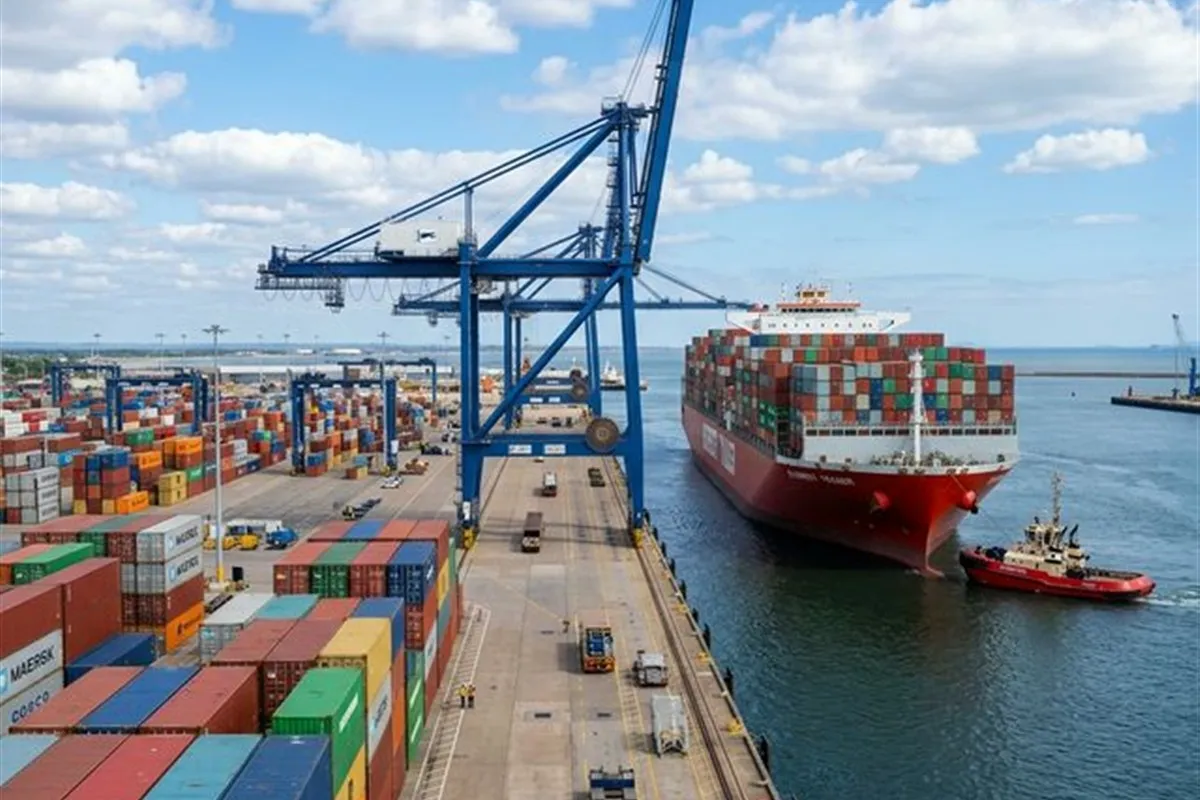
Sea freight is priced per container (for Full Container Load, or FCL) or per cubic metre (for Less than Container Load, or LCL). As a rough guide:
- A 20ft container from China to the UK costs approximately £1,500–£3,000
- A 40ft container costs approximately £2,500–£5,000
- LCL rates are typically £40–£80 per cubic metre
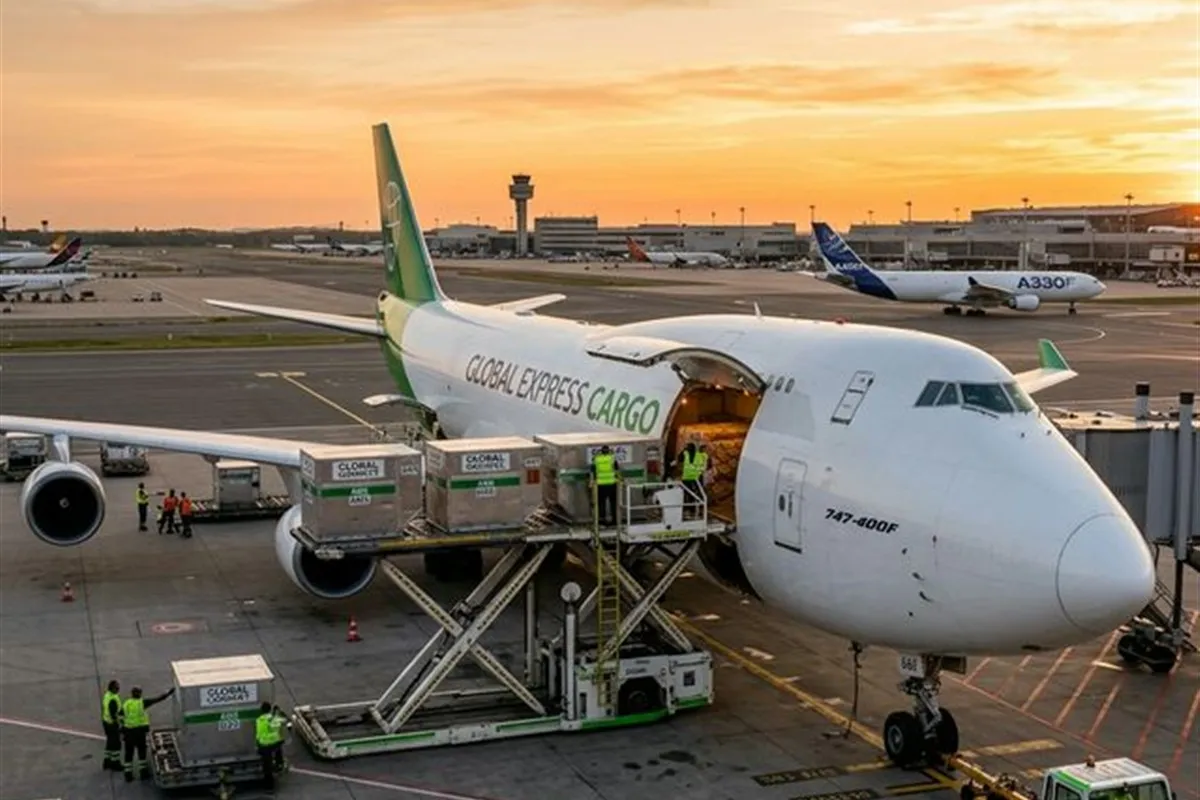
Air freight is priced per kilogram and is significantly more expensive:
- Standard air cargo from China to the UK costs approximately £3–£6 per kilogram
- Express courier services (DHL, FedEx, UPS) charge £5–£12 per kilogram
To put this in perspective, a 1,000 kg shipment might cost £500–£800 by sea but £3,000–£6,000 by air. For heavy, bulky goods, sea freight offers dramatically better value. However, for small, lightweight, and high-value items, the cost difference narrows considerably.
Pro Tip: Always calculate your shipping cost as a percentage of goods value. If air freight adds less than 5% to your unit cost but gets products to market four weeks sooner, it may well be the smarter choice.
Transit Times
Speed is where air freight wins decisively:
- Air freight — 3–7 days from origin to destination (door to door), depending on whether you use standard cargo or express services
- Sea freight — 30–45 days door to door from most Asian origins; 7–14 days from European ports
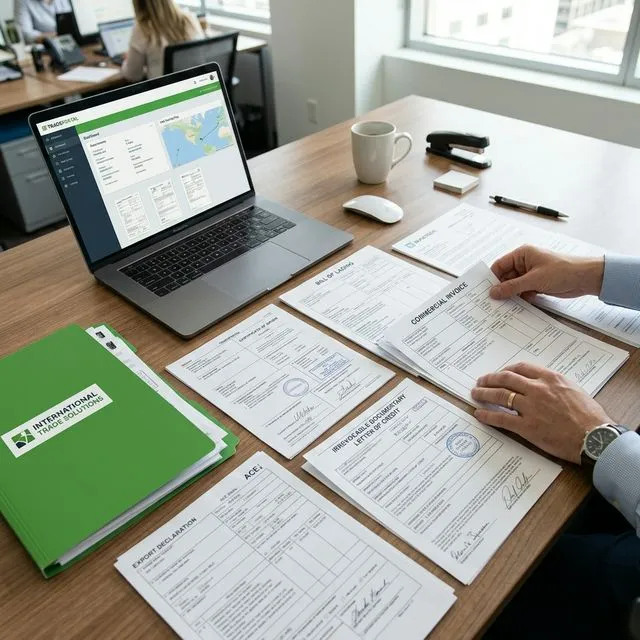
These timelines include customs clearance, which typically adds 1–3 working days for either mode. Working with an experienced customs clearance agent can minimise clearance time significantly.
It is worth noting that sea freight transit times can be affected by port congestion, weather, and vessel schedule changes. Building in a buffer of 1–2 weeks for ocean shipments is prudent planning.
Capacity and Weight Considerations
The nature of your goods plays a major role in determining the best shipping method:
Sea freight is ideal for:
- Large, heavy, or bulky goods (furniture, machinery, building materials)
- Bulk commodities (raw materials, food ingredients)
- Hazardous goods (many types cannot travel by air)
- Oversized items that would not fit in an aircraft
- Full container loads where you can maximise container utilisation
Air freight is ideal for:
- Small, lightweight, high-value goods (electronics, pharmaceuticals, fashion)
- Perishable items that cannot survive a long sea voyage
- Urgent shipments needed within days
- Samples or prototype products
- E-commerce orders requiring fast delivery
A standard 20ft shipping container holds approximately 33 cubic metres and up to 28 tonnes. A single aircraft cargo hold might accommodate 5–15 tonnes depending on the aircraft type, with far less volume per load.
Environmental Impact
Sustainability is an increasingly important consideration for UK businesses. The carbon footprint of your shipping choices matters:
- Sea freight produces approximately 10–40 grams of CO2 per tonne-kilometre
- Air freight produces approximately 500–600 grams of CO2 per tonne-kilometre
That makes air freight roughly 15–50 times more carbon-intensive than sea freight per tonne of goods moved. For businesses with environmental commitments or ESG reporting obligations, favouring sea freight where possible is a straightforward way to reduce your supply chain carbon footprint.
When to Choose Which
Here is a practical decision framework:
Choose sea freight when:
- Your goods are not time-sensitive and you can plan 6–8 weeks ahead
- You are shipping large volumes (ideally full containers)
- Your goods are heavy or bulky relative to their value
- You want to minimise shipping costs as a percentage of goods value
- You are building up inventory for a seasonal peak
Choose air freight when:
- Speed is critical — a product launch, seasonal deadline, or stock emergency
- Your goods are high-value and lightweight
- You are shipping perishable or time-sensitive products
- The shipment is small (under 100 kg) and does not justify a sea freight booking
- You sell direct to consumers and fast delivery is a competitive advantage
The Hybrid Approach
Many successful importers use a combination of both methods. A common strategy is to ship the bulk of your inventory by sea freight to keep costs down, whilst using air freight for top-up orders, new product launches, or emergency restocking.
For example, a fashion retailer might ship their core seasonal range by sea eight weeks before the season starts, then air freight their best-selling lines for rapid replenishment once they know which products are performing well.
Rail freight from China via the Belt and Road route is emerging as a viable middle ground — faster than sea (18–22 days) and cheaper than air, though capacity remains more limited.
At Gxpresss UK, we offer both sea freight and air freight services, along with full customs clearance and door-to-door delivery. We can help you design a shipping strategy that balances cost, speed, and reliability for your specific product range.
Book a free consultation to discuss your freight requirements, or request a quote to compare options for your next shipment.