Why Import from China to the UK?
China remains the UK's largest source of imported goods, accounting for over £60 billion in annual trade. From electronics and textiles to machinery and consumer products, British businesses rely on Chinese manufacturing for competitive pricing and production capacity.
However, importing from China comes with its own set of challenges — customs regulations, duty calculations, documentation requirements, and logistical complexities. Getting any of these wrong can result in costly delays, fines, or even seizure of goods at the border.
This guide walks you through every step of the process, so you can import with confidence.
Step-by-Step Import Process
Before your first shipment leaves China, you need to have several things in place:
- EORI Number — You must register for an Economic Operators Registration and Identification number with HMRC. This is mandatory for all UK importers and is free to obtain.
- Commodity Codes — Every product you import needs a correct commodity code (also called a tariff code). These 10-digit codes determine your duty rate and whether any restrictions apply.
- Supplier Verification — Conduct due diligence on your Chinese supplier. Request samples, verify business licences, and consider using a sourcing agent or inspection service.
- Incoterms Agreement — Agree on shipping terms (such as FOB, CIF, or DDP) with your supplier. This determines who is responsible for shipping costs, insurance, and customs clearance at each stage.
Once these foundations are in place, you can proceed to arrange shipping and prepare your customs documentation.
Choosing Your Shipping Method
You have three main options for shipping goods from China to the UK:
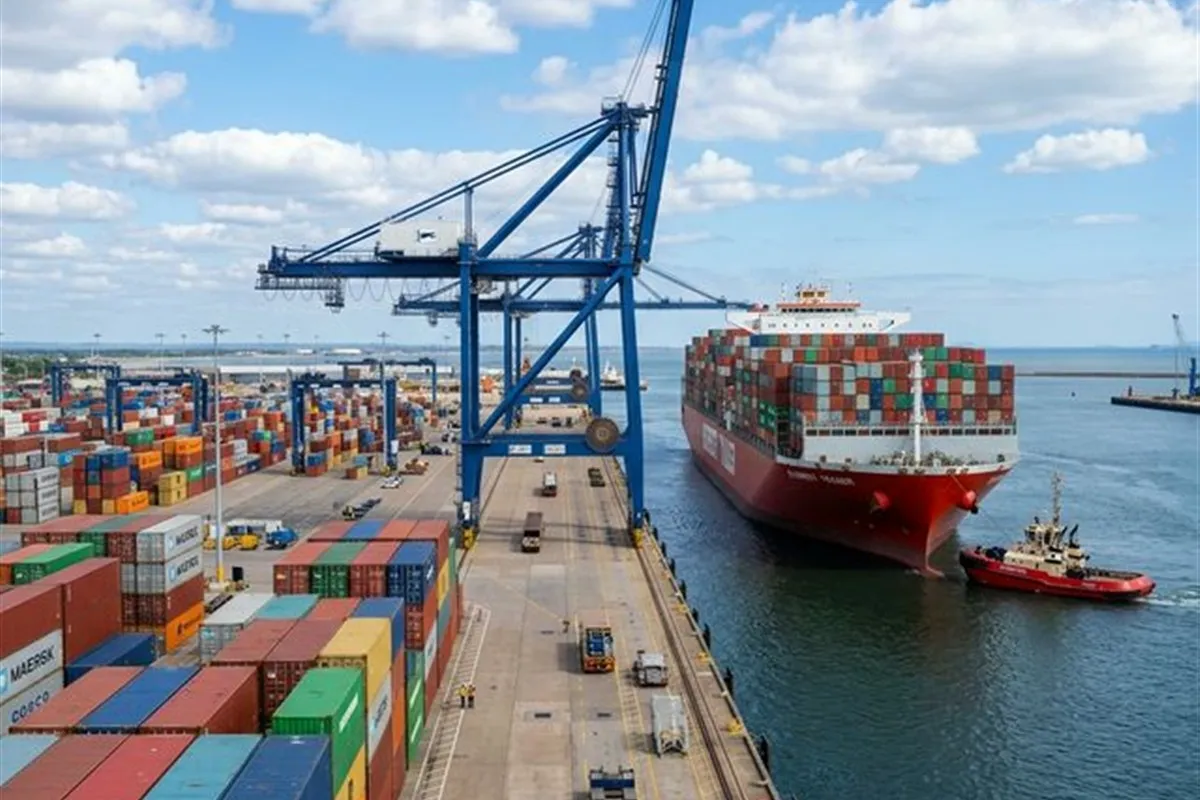
- Sea Freight — The most cost-effective option for large or heavy shipments. Transit time is typically 30–40 days from Chinese ports to UK ports such as Felixstowe or Southampton. Ideal for non-urgent bulk orders.
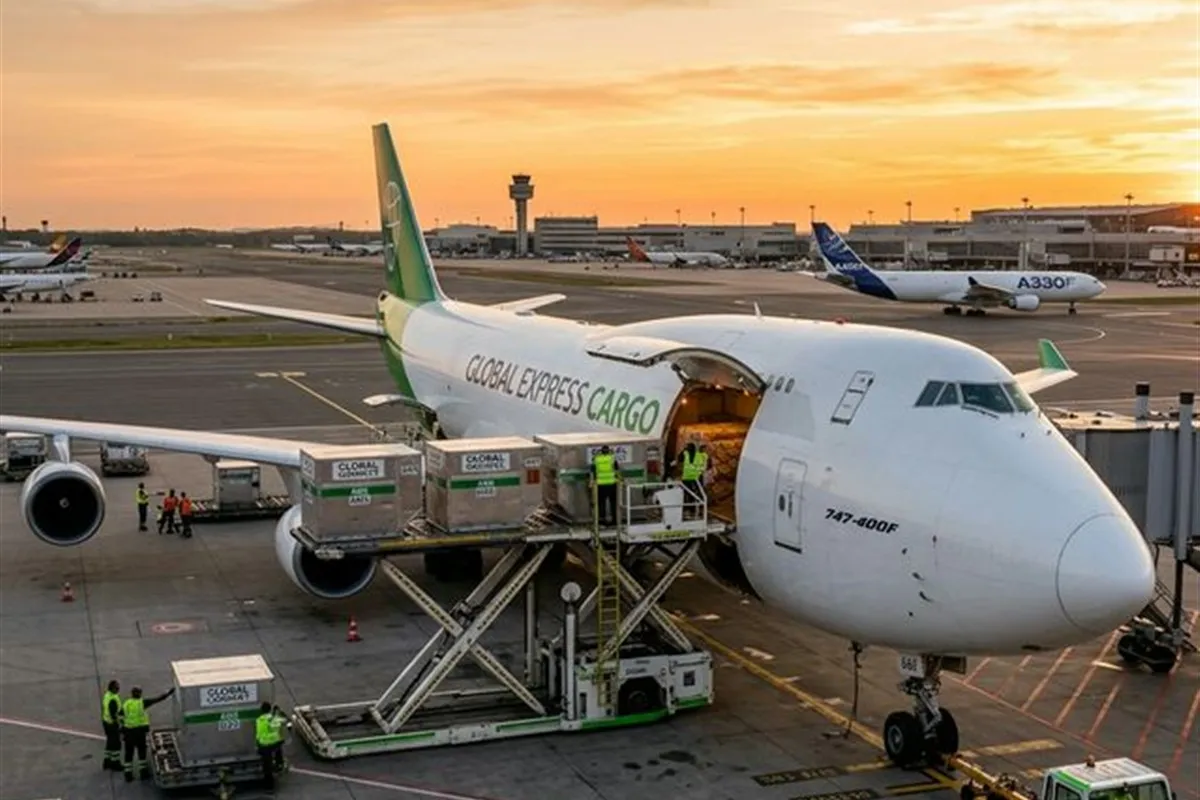
- Air Freight — Significantly faster (5–10 days) but considerably more expensive. Best suited for high-value, time-sensitive, or lightweight goods.
- Rail Freight — An increasingly popular middle ground, taking approximately 18–22 days via the China–Europe rail network. Offers a balance between cost and speed.
For a detailed comparison of sea and air options, read our guide on sea freight vs air freight.
Essential Customs Documentation
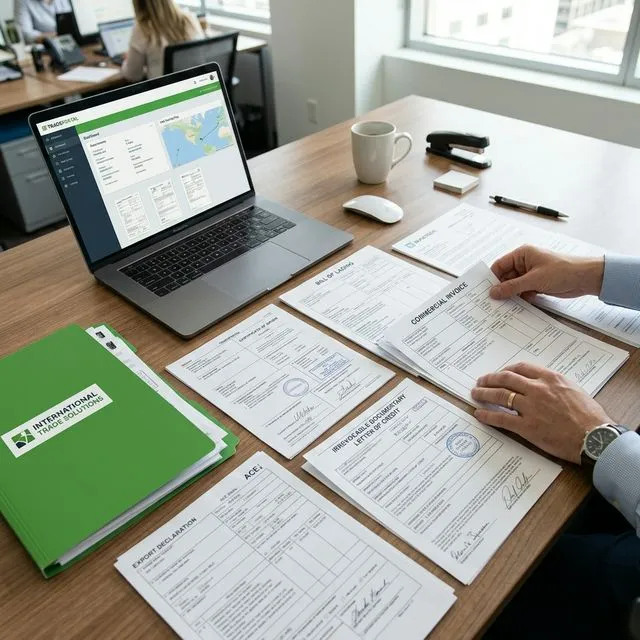
Proper documentation is the backbone of a smooth import process. You will need:
- Commercial Invoice — Issued by your Chinese supplier, detailing the goods, quantities, unit prices, total value, and Incoterms.
- Packing List — A detailed breakdown of the shipment's contents, weights, and dimensions.
- Bill of Lading (sea) or Air Waybill (air) — The transport document that serves as a receipt and contract of carriage.
- Certificate of Origin — May be required depending on the product type and any preferential trade agreements.
- Import Licence — Certain goods (such as food products, chemicals, or firearms) require specific import licences from the relevant UK authority.
Missing or inaccurate documentation is one of the most common causes of customs delays. Our customs clearance service ensures all paperwork is correct before your goods arrive.
Understanding Duties and Taxes
When your goods arrive in the UK, you will need to pay:
- Customs Duty — Calculated as a percentage of the goods' customs value (typically CIF value). Rates vary by commodity code — for example, clothing may attract 12% duty whilst electronic components could be 0%. Check the latest UK customs duty rates for current figures.
- Import VAT — Currently 20% for most goods, calculated on the customs value plus duty plus any shipping and insurance costs.
- Anti-Dumping Duties — Additional duties may apply to certain Chinese products (such as steel, ceramics, or solar panels) where the EU or UK has imposed trade defence measures.
Top Tip: VAT-registered businesses can reclaim import VAT on their next VAT return, making the effective cost of import VAT zero for most traders. Consider using HMRC's Postponed VAT Accounting to avoid cash-flow pressure at the border.
Common Mistakes to Avoid
After helping hundreds of businesses import from China, we see the same errors repeatedly:
- Incorrect commodity codes — Using the wrong code can mean overpaying duty or facing penalties. Always verify codes using the UK Global Tariff tool.
- Undervaluing goods — HMRC actively investigates undervaluation. Declaring a lower value than you actually paid is customs fraud and carries severe penalties.
- Ignoring product compliance — Many products must meet UK safety standards (UKCA marking) before they can be sold. Failing to comply can result in goods being refused entry or destroyed.
- Not budgeting for all costs — Beyond the product price, factor in shipping, duty, VAT, port handling charges, and inland delivery. Many first-time importers underestimate the landed cost by 20–30%.
Why Work with a Customs Broker?
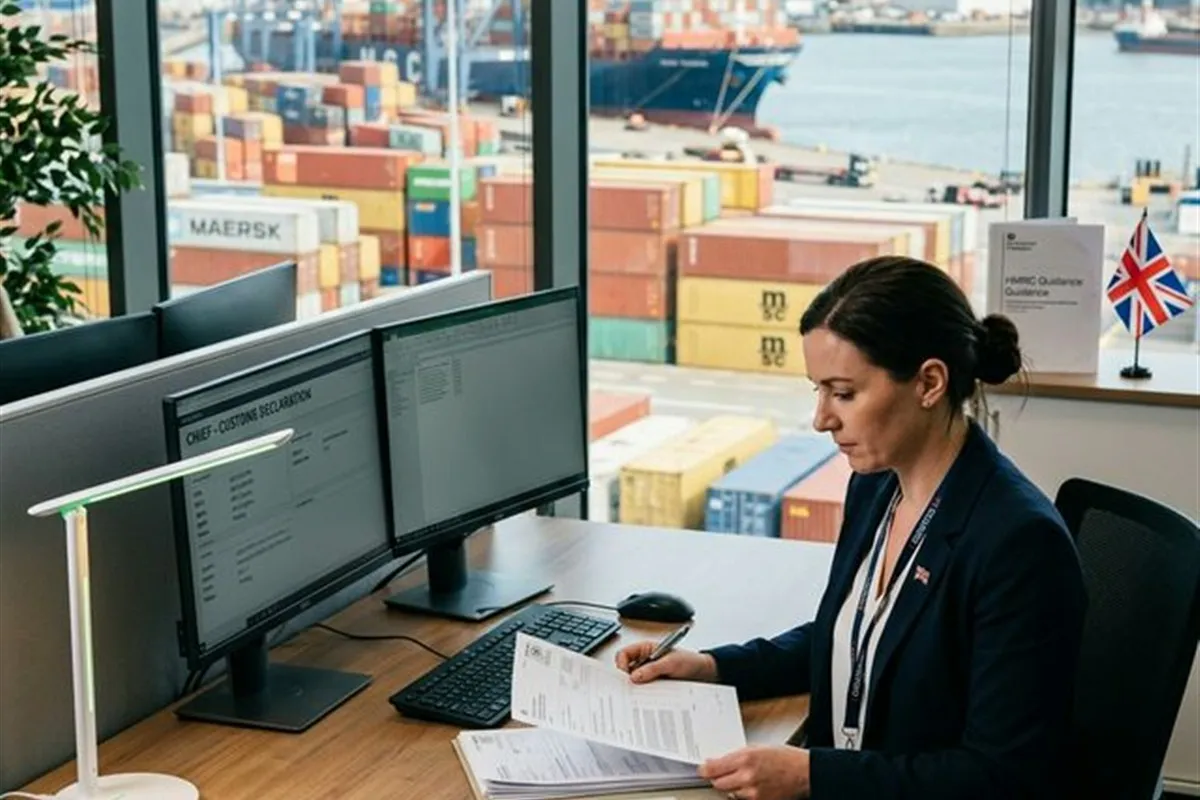
A professional customs broker handles the entire clearance process on your behalf — from classifying your goods and preparing documentation to submitting declarations and paying duties. This saves you time, reduces the risk of errors, and ensures compliance with UK regulations.
At Gxpresss UK, we specialise in China-to-UK imports and offer a complete door-to-door service including sea freight, customs clearance, and inland delivery. Whether you are importing your first container or managing a complex supply chain, our team is here to help.
Ready to get started? Book a free consultation or request a quote today.