What Exactly Is a Customs Broker?
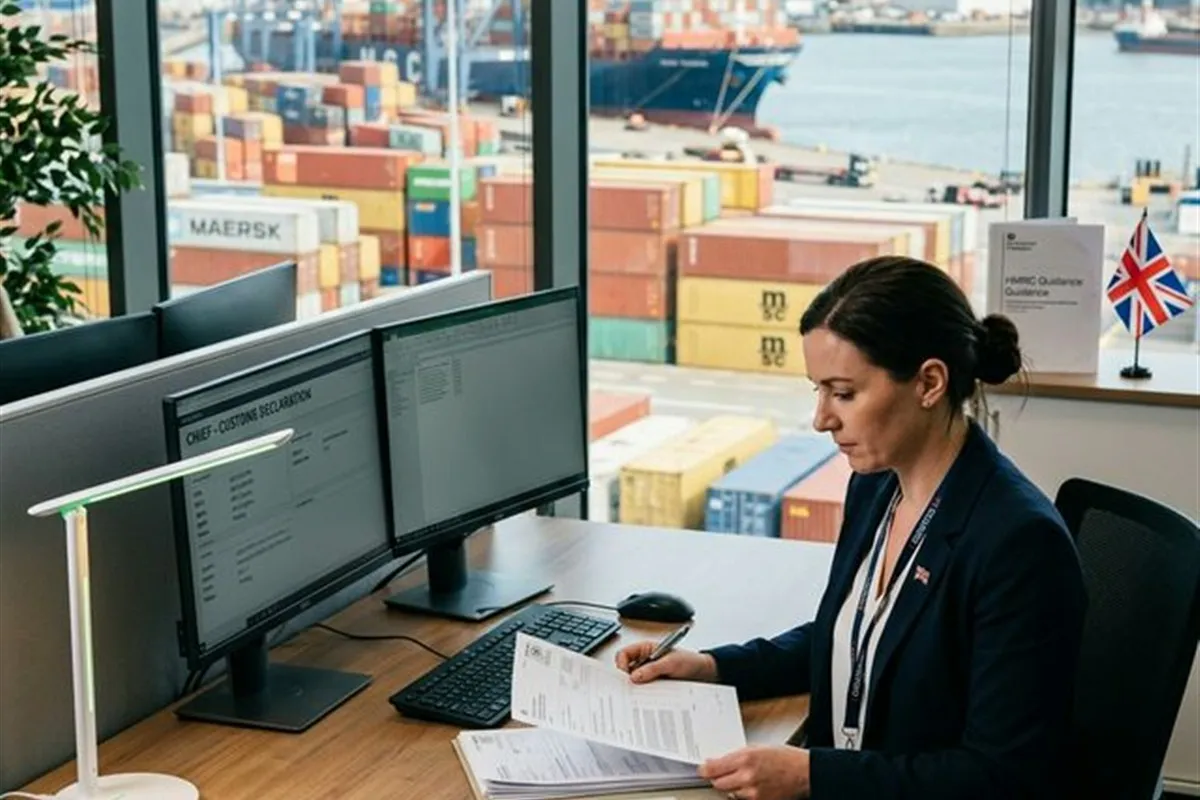
A customs broker is a licensed professional or company that acts as an intermediary between importers/exporters and government customs authorities. In the UK, customs brokers — also referred to as customs agents or customs intermediaries — handle the complex process of clearing goods through Her Majesty's Revenue and Customs (HMRC) on behalf of traders.
Think of a customs broker as your representative at the border. They speak the language of customs regulations, tariff classifications, and trade compliance so you do not have to. Whilst it is legally possible to handle customs clearance yourself, the vast majority of UK businesses choose to work with a broker because the process is highly technical and the consequences of errors are significant.
Looking to hire one? See our UK customs broker service — HMRC-authorised, declarations from £35.
What Does a Customs Broker Do?
The role of a customs broker encompasses a wide range of activities:
- Customs declarations — Preparing and submitting import and export declarations to HMRC via the Customs Declaration Service (CDS). Each declaration contains dozens of data fields that must be completed accurately.
- Tariff classification — Determining the correct commodity code for each product. This 10-digit code governs the duty rate, any restrictions, and documentation requirements.
- Duty and tax calculation — Calculating the exact amount of customs duty, import VAT, and any additional charges (such as anti-dumping duties) payable on your shipment.
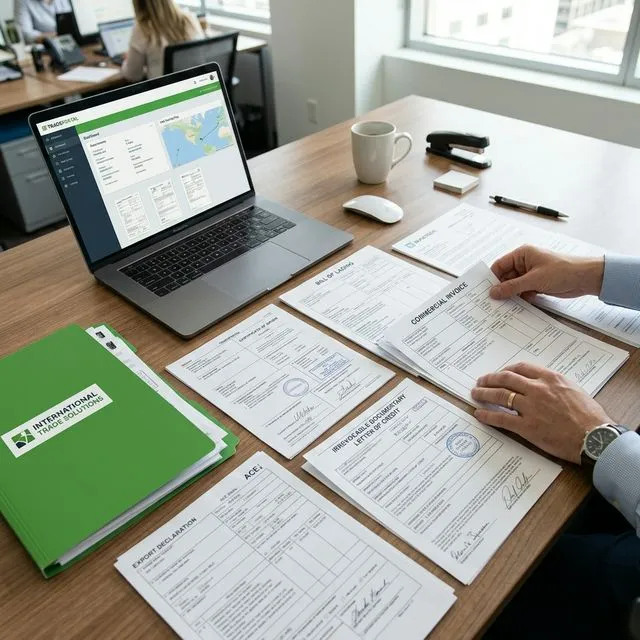
- Documentation management — Ensuring all required documents — commercial invoices, packing lists, certificates of origin, licences, and permits — are in order before the goods arrive.
- Regulatory compliance — Advising on product-specific regulations such as UKCA marking requirements, food safety standards, pharmaceutical licensing, and restricted goods controls.
- Duty optimisation — Identifying opportunities to reduce your duty liability through tariff suspensions, trade preferences, customs warehousing, or processing relief.
- Dispute resolution — Representing you in the event of a customs query, audit, or dispute with HMRC.
Benefits of Using a Customs Broker
Working with a professional customs broker delivers tangible benefits to your business:
- Faster clearance — Experienced brokers submit accurate declarations first time, avoiding the delays caused by errors and queries. Most shipments clear within hours rather than days.
- Cost savings — Correct commodity classification alone can save thousands in overpaid duty. Brokers also identify relief schemes and preferential rates that many traders miss.
- Reduced risk — Customs errors can result in penalties of up to 100% of the duty owed, seizure of goods, or even criminal prosecution. A broker ensures you remain compliant.
- Time savings — Customs regulations are complex and constantly changing. Rather than becoming a customs expert yourself, you can focus on running your business.
- Expert advice — From navigating post-Brexit changes to understanding duty rates, a good broker provides ongoing guidance that helps you make better supply chain decisions.
When Do You Need a Customs Broker?
Whilst any business can benefit from customs brokerage, it becomes particularly important in these situations:
- First-time importers — If you have never imported before, the learning curve is steep. A broker guides you through the process and prevents costly beginner mistakes.
- Regulated products — Goods subject to specific controls — food, pharmaceuticals, chemicals, dual-use items, firearms — require specialist knowledge to clear.
- High-volume importers — When you are clearing multiple shipments per week, the administrative burden of handling declarations in-house becomes unsustainable.
- Complex supply chains — If you source from multiple countries, use bonded warehousing, or engage in processing activities, a broker can manage the complexity.
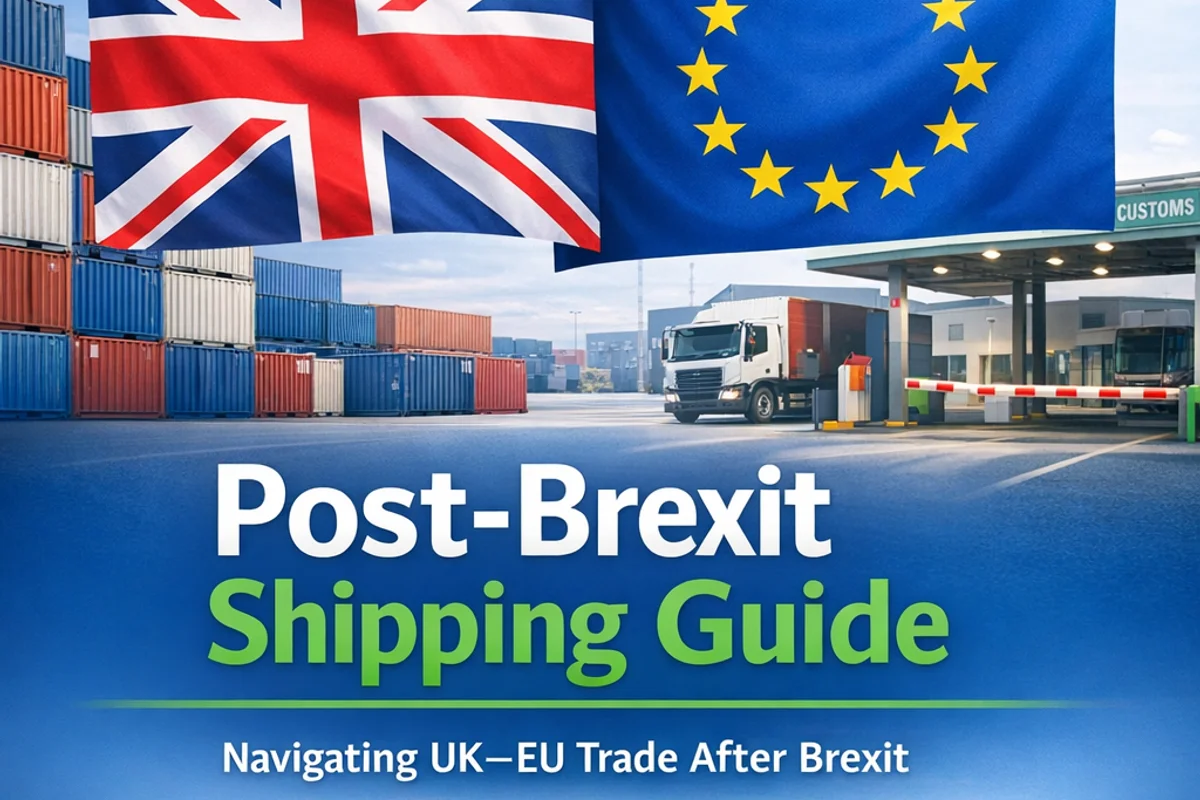
- Post-Brexit EU trade — Since Brexit, goods moving between the UK and EU require full customs declarations. Businesses that previously traded freely within the single market now need customs support.
Did you know? Since the UK left the EU, demand for customs brokers has increased by over 300%. Many businesses that never needed customs support before are now relying on brokers for the first time.
Customs Broker vs Freight Forwarder — What's the Difference?
The two terms get used interchangeably, but the roles are distinct:
- Customs broker — handles the regulatory side: classification, declarations, duty/VAT calculation, HMRC compliance. Doesn't move the goods.
- Freight forwarder — handles the physical movement: booking sea/air/road transport, consolidating shipments, arranging warehousing and last-mile delivery.
Many UK importers end up dealing with both separately, which means two invoices, two points of contact, and gaps where nobody owns the shipment end-to-end. A combined provider — broker and forwarder under one roof — removes that handoff. It's why Gxpresss UK runs customs clearance alongside sea freight, air freight, and door-to-door delivery as one service, not three separate ones.
What Do Customs Brokers Charge?
Broker fees sit outside the duty and VAT HMRC charges, and vary by entry type. Full figures are on our UK customs broker fees guide, and Gxpresss’ own rates are on our customs broker UK page.
HMRC Authorisation and Representation
Anyone can call themselves a "customs agent," but not every broker holds the credentials that actually protect you if something goes wrong. Before signing up, verify:
- Direct or indirect representative status — under an indirect representation agreement the broker shares liability for the declaration with you; under direct representation, you carry it alone. Know which one you're signing.
- CDS badge / EORI registration — the broker must be able to submit through HMRC's Customs Declaration Service using a valid badge linked to your EORI number.
- AEO (Authorised Economic Operator) status — not mandatory, but AEO-certified brokers have passed an HMRC audit of their processes and get faster clearance and fewer physical checks at the border.
- BIFA membership — British International Freight Association membership signals adherence to standard trading conditions and a dispute-resolution route if something goes wrong.
Choosing a Broker
Specialisation in your trade lane, CDS capability, AEO or BIFA accreditation and transparent per-entry pricing are the criteria that matter. We cover each of them, with the questions to ask, on our HMRC-authorised customs broker page.
Gxpresss Customs Brokerage Services
At Gxpresss UK, customs brokerage is at the heart of what we do. Our team handles thousands of declarations each year, covering everything from standard consumer goods to complex regulated products.
Our customs clearance service includes:
- Full customs declaration preparation and submission
- Commodity code classification and duty calculation
- Document verification and compliance checks
- Duty optimisation and relief scheme management
- Real-time shipment tracking and status updates
We also offer complete end-to-end logistics including sea freight, warehousing, and door-to-door delivery — giving you a single point of contact for your entire supply chain.
Book a free consultation to discuss your customs needs, or request a quote for an obligation-free assessment of your import requirements.