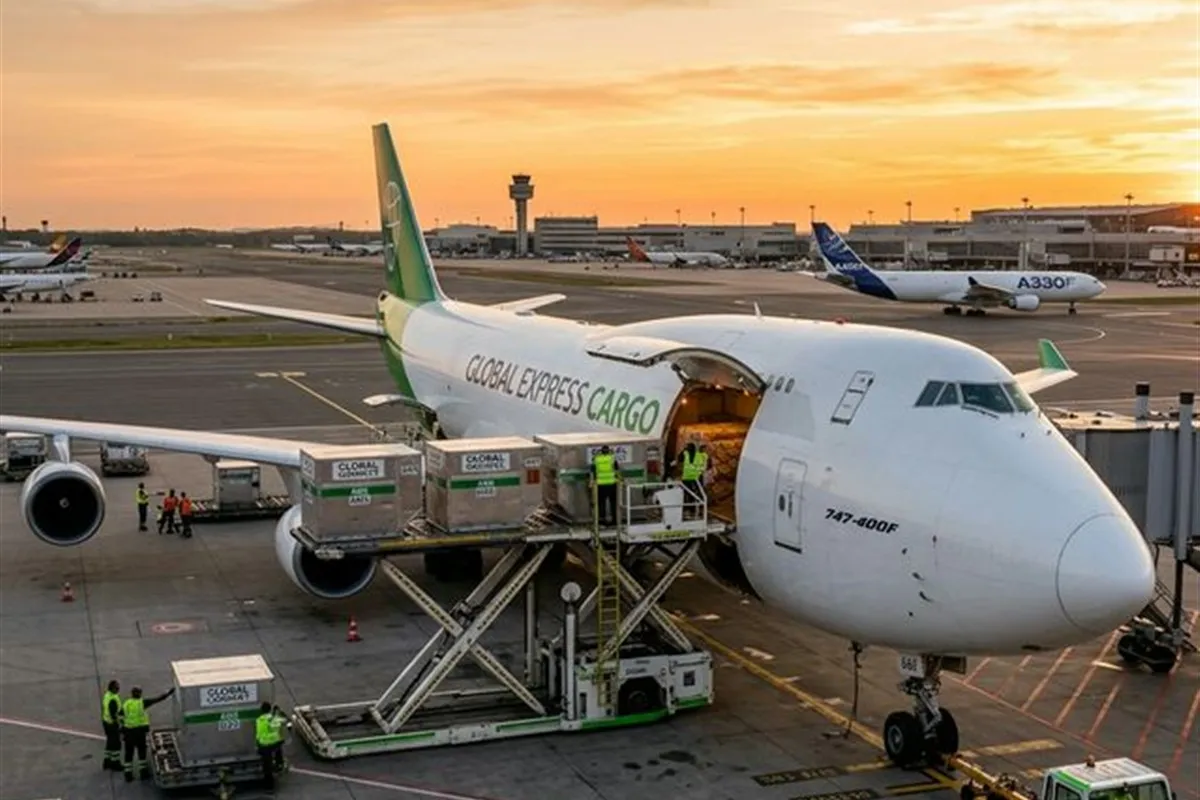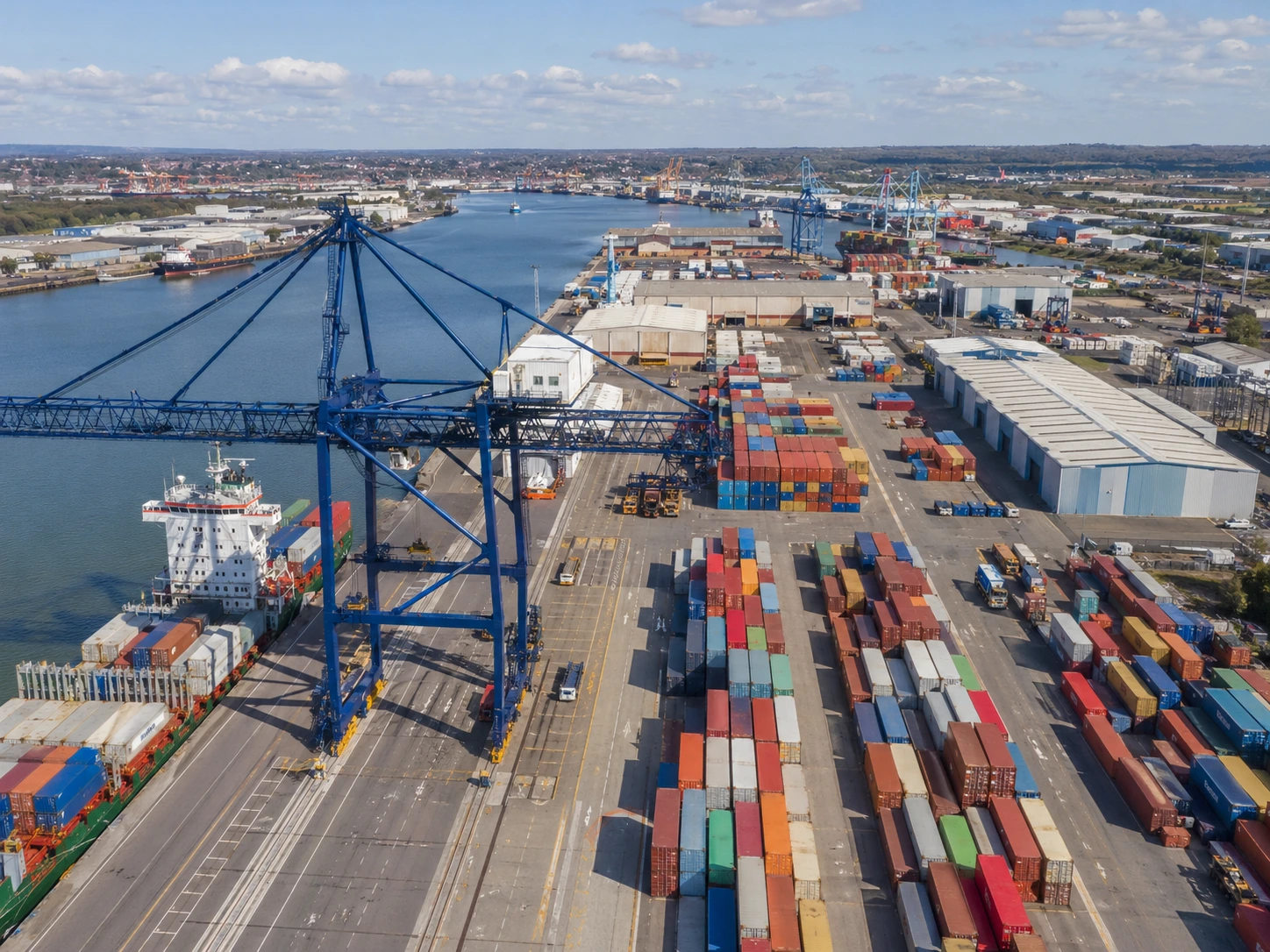
UK import costs are climbing. Reciprocal tariffs, VAT on duty, peak-season freight surcharges—by the time goods clear customs at Felixstowe or Heathrow, you're looking at 15–30% more on landed cost.
Here's what keeps me up: half of UK importers told the British Chambers of Commerce that a 5–10% increase would force them to raise prices. They can't absorb it. But most aren't using basic savings strategies that cut 10–30% per shipment.
This guide covers 15 methods that actually work. From trade agreements to VAT deferral. Whether you're moving containers monthly or air freight weekly, at least three of these apply to you right now.
1. Get a Statement of Origin from Your Supplier
UK has trade agreements with 70+ countries. Most offer zero or reduced tariffs. The catch? Your supplier needs to prove the goods actually came from there.
That proof is a Statement of Origin (SoO). The UK–EU TCA lets you import EU goods at zero tariff, but only if they meet product-specific rules. CPTPP membership (2026) adds tariff-free access to 11 Asia-Pacific markets.
Most suppliers don't send one. So you pay full tariff on goods that should cost zero.
What to do:
- Tell your supplier upfront: "Send a Statement of Origin with the invoice"
- Confirm goods genuinely originate where you think they do
- Check trade-tariff.service.gov.uk before ordering—look up your commodity code
- For EU goods, verify they meet product rules (e.g., 50%+ EU content for textiles)
You'll save 0–25% of goods value. For EU goods? Sometimes 100% of the duty.
2. Verify Your Commodity Code Before Ordering
Here's where I see people lose money most often.
Commodity codes (HS codes) determine your tariff rate. A small difference—"electrical connector" (6.5% duty) vs. "electronics component" (2% duty)—is the difference between paying or not.
Most importers use whatever code their supplier suggests and never look back.
What to do:
- Look up your goods on trade-tariff.service.gov.uk using multiple descriptions
- Work with a customs broker to find the lowest applicable code
- Match the code to your actual product (not what you wish it was)
- Put the code on invoices—consistency matters
Save 2–15% of duty value, sometimes more.
3. Consolidate Freight Shipments
Three 100-unit shipments = 3 customs fees + 3 separate duty calculations. One 300-unit shipment = 1 fee + lower fuel surcharges.
Smaller shipments trigger separate customs processing fees. Consolidating into fewer, larger containers cuts both freight cost per unit and your duty base.
What to do:
- Batch orders from the same supplier across 1–2 months
- Aim for container or pallet consolidation (20+ units minimum)
- Talk to suppliers about longer lead times to allow batching
- If they won't batch, use a freight forwarder's consolidation service
5–12% savings on total landed cost (freight + fees + duty per unit).
4. Claim Temporary Admission If Your Goods Get Re-exported
Temporary admission (TA) lets goods enter the UK duty-free and VAT-free—as long as you re-export them within 2 years.
Who uses it? Anyone sending goods for repair, refurbishment, trade shows, or re-export. Most goods qualify.
Implementation:
- Check with your broker whether your goods qualify
- Apply for TA relief before customs clearance
- Re-export within the time window—or if you don't, declare the goods for home use and pay duty/VAT
- A customs broker handles the paperwork
Save 100% of duty + VAT if re-exported. Zero if you keep the goods.
5. Use a Customs Warehouse for Seasonal Stock
A customs warehouse lets you store imported goods in the UK without paying duty or VAT until you release them into circulation.
Why? Say you import 500 winter coats in July. You store them duty-free. Pay duty only as you sell and withdraw them monthly. Unsold stock? Sits duty-free.
Implementation:
- Find a licensed customs warehouse (Felixstowe, Southampton, London Gateway all have them)
- Submit goods under customs control
- Pay duty/VAT only when goods leave the warehouse
- Re-export unopened goods = zero duty
5–20% cash flow relief + potential duty savings on stock that doesn't sell.
6. Set Up a Customs Deferment Account
If you import more than once a month, a deferment account is a no-brainer.
Instead of paying customs duty and VAT at every clearance, you defer to the 15th of the following month. One payment per month instead of payment-per-shipment friction.
Implementation:
- Apply to HMRC for a Customs Deferment Account
- Provide proof of trading history and financial standing
- Use the account reference on all customs declarations
- Pay accrued duty/VAT in one monthly batch (usually Direct Debit)
30–45 days of improved cash flow per shipment. If you're shipping 4 times per month, that's real.
7. Use the Right Incoterm to Control Freight Cost
Incoterms define who pays freight and insurance. That directly affects customs value.
Customs value = goods price + insurance + freight to the UK border. Choose the wrong term and you're overpaying duty on inflated freight estimates.
Example: Your supplier quotes CIF and pads the freight estimate. You declare £5,000 goods + £800 estimated freight = £5,800 customs value. Actual freight was £400. You paid duty on £400 of phantom cost.
What to do:
- Use FOB or C&F terms when you control freight
- Request separate invoices: goods, freight, insurance
- Declare actual freight costs, not estimated
- Include actual freight on customs declaration (C88) to avoid under-declaration penalties
3–8% of duty value saved by excluding inflated freight estimates.
8. Claim VAT Deferral on Imports
Import VAT gets calculated on customs value plus duty paid. It's tax on top of tax.
VAT deferral lets you match VAT input and output timing instead of paying upfront at clearance.
Implementation:
- Request VAT deferral status from your customs broker at clearance
- Ensure all customs declarations reference deferral
- Claim input VAT on your VAT return when goods are released
- Match VAT recovery to your sales cycle
20% tax relief + 1–3 months of improved cash flow per shipment.
9. Choose Sea Freight Over Air When You Can
Air freight costs 4–6x more than sea freight per kg.
That higher cost inflates landed cost and customs value, meaning more duty. Sea freight lowers both freight surcharges and duty base.
What to do:
- Plan orders 4–6 weeks ahead to allow sea freight (slower, much cheaper)
- Use air freight only for high-margin or perishable goods
- Compare landed costs, not just freight: sea often wins overall
- Consolidate sea shipments with other suppliers to fill containers
10–25% on landed cost for goods with flexible timelines.
10. Import During Off-Peak Season to Avoid Surcharges
Container rates spike June–September. Peak season surcharges (PSS), bunker adjustment factors (BAF), currency adjustment factors (CAF)—they add 20–35% to freight and inflate customs value.
What to do:
- Import November–April when rates drop
- Monitor rates at Freightos or Drewry
- Plan 8–12 weeks ahead to lock in lower rates
- Build inventory during off-peak to avoid peak-season shipments
5–15% on total landed cost via off-peak timing.
11. Negotiate Freight Separately from Your Supplier
Suppliers often overestimate freight or build in margin. Negotiate separately and you reduce customs value.
What to do:
- Request separate quotes: goods, freight, insurance
- Get competing freight quotes using your own forwarder
- Confirm the supplier's freight against market rates
- For large orders, negotiate volume discounts on freight
- Always declare actual cost, not estimated (under-declaration is risky)
2–5% of customs value through freight negotiation.
12. Use Bonded Warehouse Storage for Flexibility
Bonded warehouses (licensed by HMRC) are like customs warehouses but more flexible. Store goods duty-free/VAT-free, release in small batches as you sell.
Implementation:
- Find a bonded warehouse near your market
- Transfer goods under customs control (no duty at entry)
- Release goods in smaller batches as you sell (pay duty/VAT only on what you release)
- Arrange re-export or destruction for unsold stock (often zero duty)
5–25% cash flow relief + duty savings on returned stock.
13. Negotiate Better Pricing with Suppliers
Customs value = goods price + freight + insurance. Suppliers sometimes inflate goods price. Negotiate separately.
What to do:
- Request separate quotes: goods price, freight, insurance
- Get competing freight quotes (forwarder vs. supplier)
- Confirm supplier freight against market rates
- For large orders, negotiate volume discounts
- Declare actual cost, not estimated
2–5% of customs value saved.
14. Work with a Licensed Customs Broker
A good broker knows tariff rules, trade agreements, relief schemes, commodity codes. They spot savings you'd miss alone.
Worth it for complex goods or high-volume imports.
What to do:
- Get quotes from 2–3 brokers (many offer free initial review)
- Ask about tariff optimization, relief schemes, trade agreement eligibility
- Request a duty savings analysis before committing (often free)
- Use the same broker long-term—they learn your patterns
5–20% per shipment through expert guidance.
15. Bundle Shipments Under Value Thresholds (Carefully)
Goods under £135 used to incur no customs duty. That changed August 2025 when the de minimis exemption was removed for commercial imports.
Check current HMRC rules for your commodity type—it's in flux.
Implementation:
- Split high-value shipments into smaller parcels if it makes sense (though shipping costs rise)
- Use this for samples, testing new suppliers, low-volume trials
- Weigh shipping cost increases against duty savings (usually break-even under £1,000)
- Verify current HMRC thresholds (they shift periodically)
0–5% duty savings (useful only for niche scenarios).
Frequently Asked Questions
What's the fastest way to reduce import costs?
Three things:
- Request a Statement of Origin from your supplier (10–20% saving for EU goods)
- Set up a deferment account (30–45 days cash flow improvement)
- Verify your commodity code (2–15% saving on duty)
Most importers see 8–25% savings in 1–2 months doing these three.
Do I qualify for customs warehousing?
If you import regularly and store goods before selling, yes. Available at all major ports and some inland sites. Cost is usually £2–5 per pallet per week. Worth it if you hold stock longer than 2 weeks or import seasonally.
Customs warehouse vs. bonded warehouse—which is better?
Customs: HMRC-controlled, duty-free/VAT-free indefinitely, no storage fees (though rental varies). Bonded: Private, licensed by HMRC, more flexible, charges storage fees. Both work. Bonded is better if you need frequent access; customs is cheaper for long-term storage.
Can I claim VAT deferral on all imports?
No. VAT deferral applies only to goods declared for customs clearing under UK import regulations. Goods under £135 or goods under certain relief schemes have different rules. Ask your broker to confirm your eligibility.
Which Incoterm saves the most duty?
FOB (Free on Board) and C&F (Cost and Freight) minimize customs value because you control freight costs. CIF (Cost, Insurance, Freight) includes the supplier's freight estimate, which is often inflated. Compare total landed cost (goods + your freight + duty + VAT), not just tariff rate.
Conclusion
Reducing UK import costs isn't a one-time fix. It's a system.
Start with Statement of Origin (10–20% saving). Add commodity code optimization and freight consolidation (5–15%). Layer in deferment accounts and warehousing as your volume grows.
Most importers leave 8–25% on the table. A single consultation with a licensed customs broker often pays for itself in the first shipment.