What Exactly Is a Customs Broker?
A customs broker is a licensed professional or company that acts as an intermediary between importers/exporters and government customs authorities. In the UK, customs brokers, also referred to as customs agents or customs intermediaries, handle the complex process of clearing goods through HM Revenue and Customs (HMRC) on behalf of traders.
Think of a customs broker as your representative at the border. They speak the language of customs regulations, tariff classifications, and trade compliance so you do not have to. Whilst it is legally possible to handle customs clearance yourself, the vast majority of UK businesses choose to work with a broker because the process is highly technical and the consequences of errors are significant.
Commercial services: Importers looking for an authorised intermediary can view our customs broker UK service, with declarations from £45.
What Does a Customs Broker Do?
The role of a customs broker encompasses a wide range of activities:
- Customs declarations: Preparing and submitting import and export declarations to HMRC via the Customs Declaration Service (CDS). Each declaration contains dozens of data fields that must be completed accurately.
- Tariff classification: Determining the correct commodity code for each product. This 10-digit code governs the duty rate, any restrictions, and documentation requirements.
- Duty and tax calculation: Calculating the exact amount of customs duty, import VAT, and any additional charges (such as anti-dumping duties) payable on your shipment.
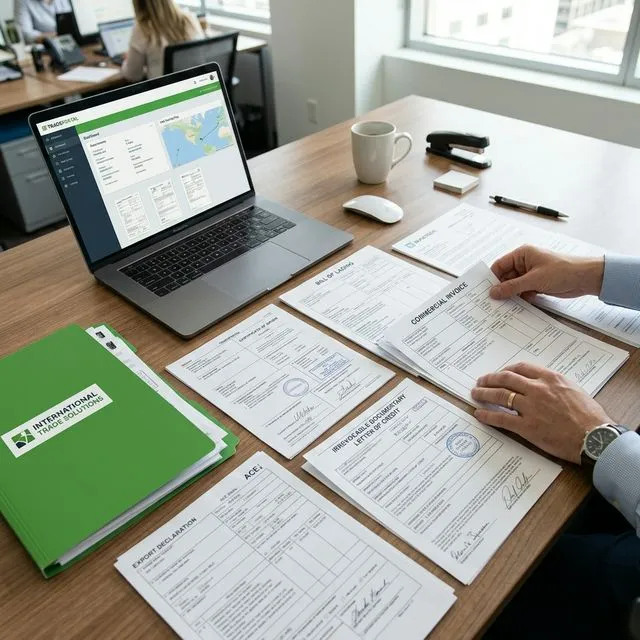
- Documentation management: Confirming all required documents, commercial invoices, packing lists, certificates of origin, licences, and permits are in order before the goods arrive.
- Regulatory compliance: Advising on product-specific regulations such as UKCA marking requirements, food safety standards, pharmaceutical licensing, and restricted goods controls.
- Duty optimisation: Identifying opportunities to reduce your duty liability through tariff suspensions, trade preferences, customs warehousing, or processing relief.
- Dispute resolution: Representing you in the event of a customs query, audit, or dispute with HMRC.
Legal Responsibilities under CDS
Working with an authorised customs intermediary maintains compliance with statutory UK border legislation. Under HMRC rules and the Customs Declaration Service (CDS), customs brokers execute specific legal obligations:
- Declaration accuracy: Preparing and submitting electronic entries directly into CDS for prompt customs release without border holds.
- Commodity code classification: Applying correct tariff classification codes to determine statutory customs duty liability and preferential trade terms.
- Duty and VAT calculation: Verifying customs value under World Trade Organization valuation rules to ensure traders do not underpay or overpay duty.
- Compliance and penalty prevention: Inaccurate declarations risk civil penalties of up to 100% of the duty owed or seizure of goods. An intermediary verifies documentation prior to submission.
- Regulatory navigation: From navigating post-Brexit changes to applying current duty rates, a broker establishes applicable trade preferences and relief schemes.
When Do You Need a Customs Broker?
Whilst any business can benefit from customs brokerage, it becomes particularly important in these situations:
- First-time importers: If you have never imported before, the learning curve is steep. A broker guides you through the process and prevents costly beginner mistakes.
- Regulated products, Goods subject to specific controls, food, pharmaceuticals, chemicals, dual-use items, firearms: require specialist knowledge to clear.
- High-volume importers: When you are clearing multiple shipments per week, the administrative burden of handling declarations in-house becomes unsustainable.
- Complex supply chains: If you source from multiple countries, use bonded warehousing, or engage in processing activities, a broker can manage the complexity.
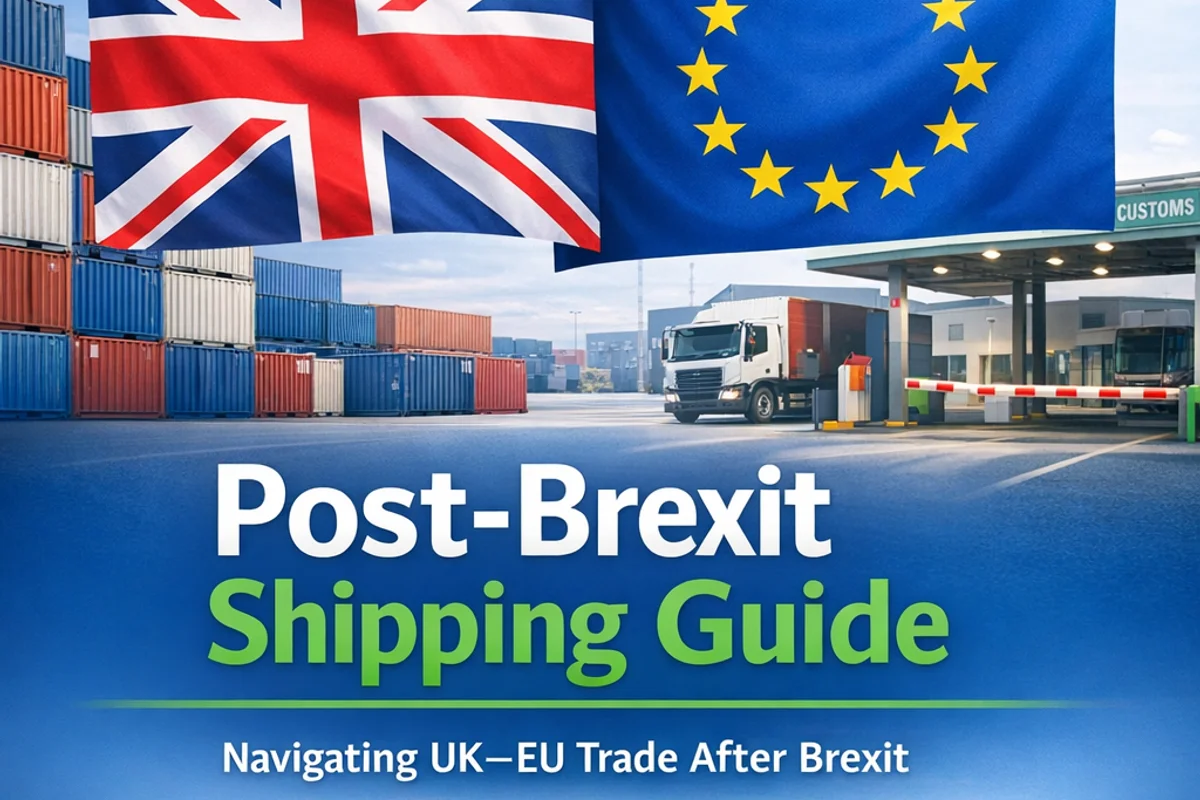
- Post-Brexit EU trade: Since Brexit, goods moving between the UK and EU require full customs declarations. Businesses that previously traded freely within the single market now need customs support.
Did you know? Since the UK left the EU, demand for customs brokers has increased by over 300%. Many businesses that never needed customs support before are now relying on brokers for the first time.
Customs Broker vs Freight Forwarder: What Is the Difference?
The two terms are often used interchangeably, but the operational roles are distinct:
- Customs broker: Handles the regulatory and legal process: tariff classification, customs declarations, duty and VAT calculation, and HMRC compliance. Does not transport the cargo.
- Freight forwarder: Coordinates physical carriage: booking sea, air, or road freight, consolidating shipments, and managing port collection and delivery.
Many UK importers use separate entities for both functions, managing multiple invoices and handoffs. An integrated provider handles customs clearance alongside international transport under one operational workflow. For a detailed breakdown of service boundaries, carrier liability, and combined models, read our dedicated comparison: customs broker vs freight forwarder.
What Do Customs Brokers Charge?
Customs broker fees in the United Kingdom vary by entry complexity, commodity line count, and port inventory systems rather than cargo value. For complete per-entry rate benchmarks and Postponed VAT Accounting rules, consult our detailed guide to customs broker fees.
HMRC Authorisation and Representation
Customs representation in the UK operates under two legal frameworks defined by HMRC:
- Direct representation: The broker acts in the name of and on behalf of the importer. The importer remains solely liable for customs duty, import VAT, and declaration accuracy.
- Indirect representation: The broker acts in their own name but on behalf of the importer. The broker and importer share joint and several liability for customs debts and declaration accuracy.
- CDS badges and Community System Providers: An intermediary requires verified badges on major port inventory systems (such as CNS, Pentant, and CCS-UK) linked to the trader's Economic Operators Registration and Identification (EORI) number.
- Accreditation standards: Formal industry accreditations including AEO (Authorised Economic Operator) and BIFA (British International Freight Association) confirm audited operational and fiscal compliance.
Submitting Declarations in-House vs Using a Broker
UK legislation allows businesses to file customs declarations directly to HMRC without an intermediary. Submitting in-house requires investing in specialised CDS software licences, Community System Provider port badges, staff training on customs data elements, and establishing a Customs Comprehensive Guarantee with HMRC. Most commercial importers choose a customs broker to eliminate software overhead and guarantee requirements. To evaluate software costs, port badge subscriptions, and compliance obligations before deciding whether to file independently, review our analysis: customs broker vs DIY declaration. Whichever route you take, our guide on cutting UK import costs covers savings that apply to both.
Where This Guide Ends and the Service Begins
At Gxpresss UK, customs brokerage operations cover standard commercial cargo, air freight, and containerised shipments across UK commercial ports and cargo airports. For details on representation arrangements, badge coverage, and per-entry pricing, this guide explains the role; to hire one, see our customs broker UK service page, or book a consultation with our compliance team.